Chancaca: The sweet drink from Bolivia made with panela
Sweet, spicy, and fragrant with sugarcane: Chancaca is one of the traditional beverages that showcase just how versatile Bolivia’s cuisine can be.
The foundation forms Panela, a traditional product made from concentrated sugarcane juice with a rich, subtly caramelized flavor.
Depending on the region and preparation method, chancaca can be made in a variety of ways. Most commonly, the panela is dissolved in water and combined with spices such as Cinnamon and cloves or with 1 Lime Refined. The end result is an aromatic beverage that puts the natural sweetness of panela front and center.
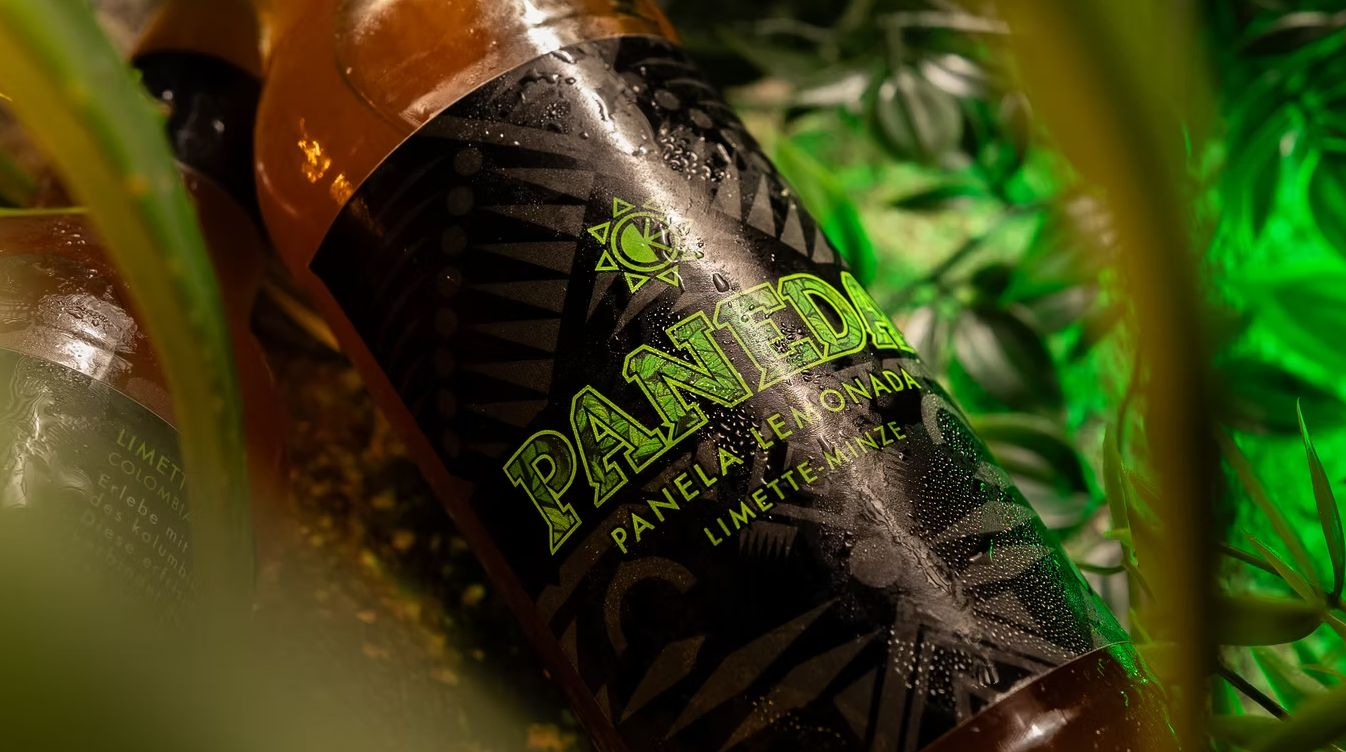
Our recommendation: A new take on Panela – crisp, fruity, and best enjoyed well-chilled: PANEDA.
What is chancaca?
What does chancaca taste like?
Cinnamon and cloves complement this sweetness with warm, aromatic notes. The result is a drink that is perfectly suited for the cooler months.
Anyone familiar with Bolivian cuisine will recognize this combination of sweetness and spices from other traditional drinks too – for example, from API, the popular warm corn-based beverage.
Do you drink chancaca warm or cold?
A refreshing take on panela: PANEDA
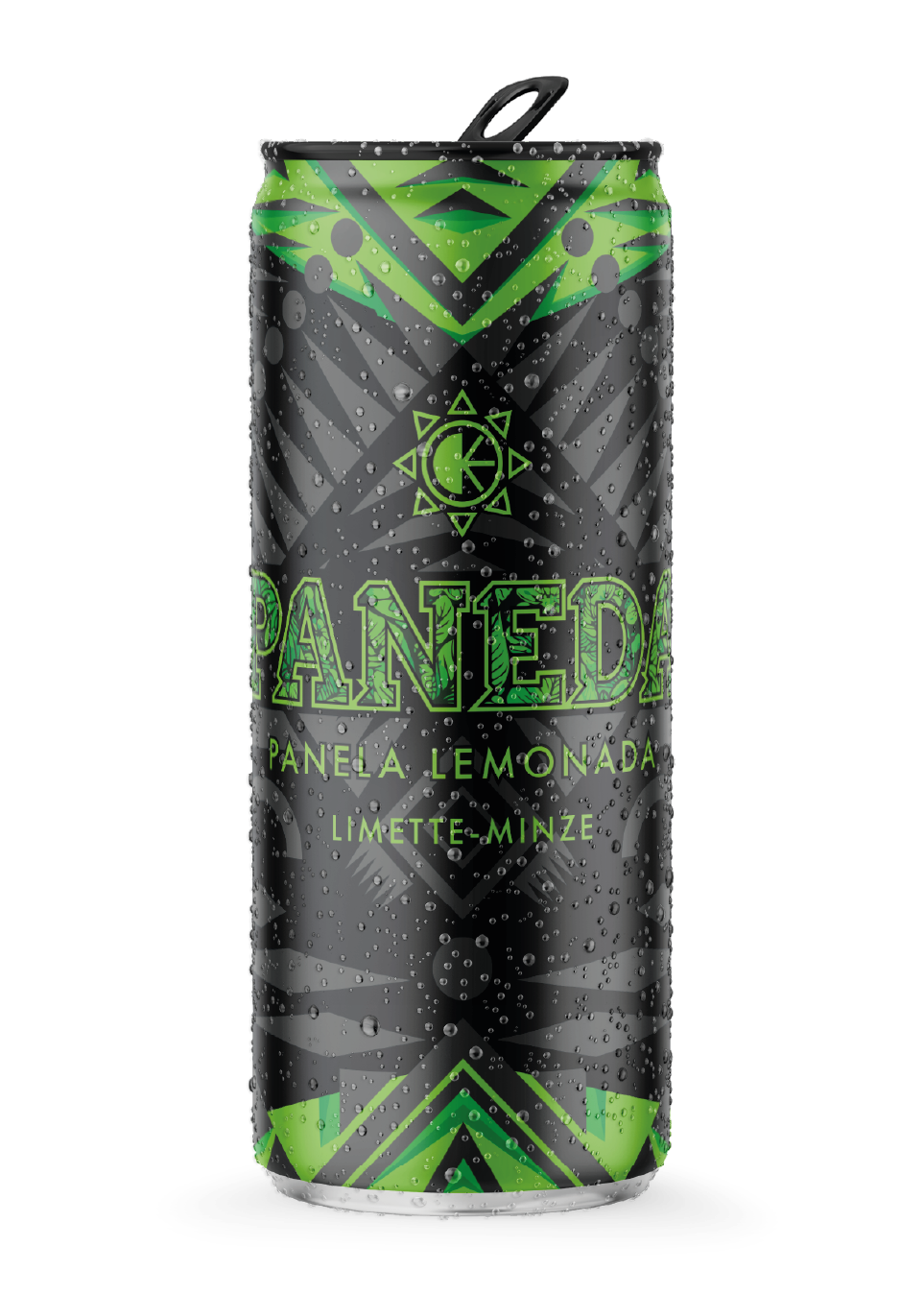
Paneda Lime-Mint (330 ml)
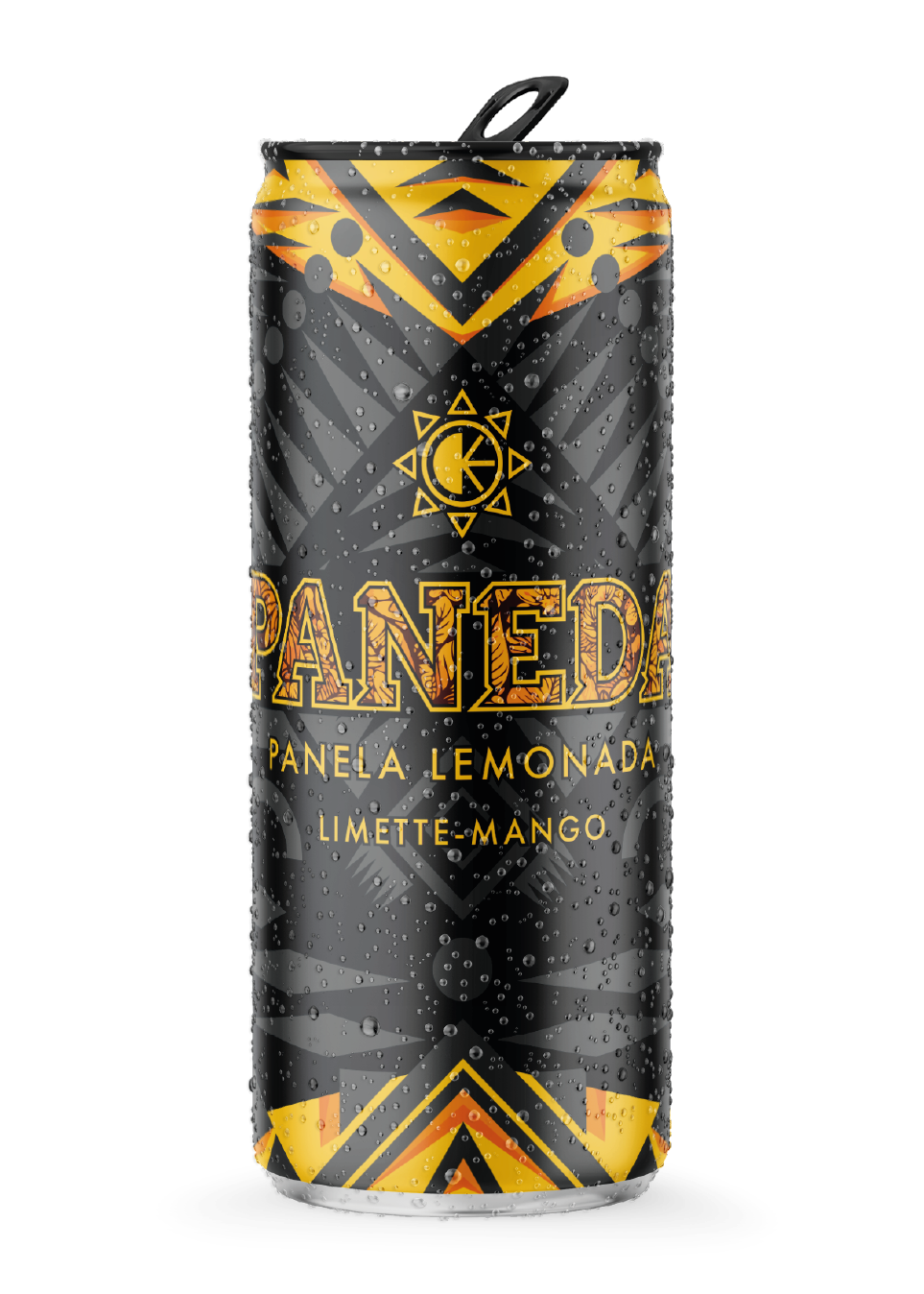
Paneda Lime-Mango (300 ml)
Instead of being warm and spicy, this Panela is served fresh, fruity, and chilled in a glass. Right now, there are PANEDA in the Flavors: Lime-Mint and Lime-Mango. With that, it is PANEDA While it is not a traditional Bolivian Chancaca drink, it fits perfectly into the story surrounding Panela: the same traditional ingredient used in Bolivian cuisine for sweet and spiced beverages is given a modern, refreshing interpretation.
Whether enjoyed as a warm drink with cinnamon and cloves, or used as a base for a modern refreshment, panela brings a uniquely distinct, signature flavor. Anyone looking to discover the full culinary diversity of Bolivia will find chancaca is an ideal entry point into the world of traditional beverages.
And anyone who then feels like trying Panela cold and fizzy can with PANEDA Discover a modern take on Colombian beverage culture.
This is how one single ingredient unites the diverse culinary traditions of Latin America – from the Andes to the tropics.
Note: This post contains an affiliate link. If you order from PANEDA via this link, we may receive a commission. This will not incur any additional costs for you.